AMDAPP 2026

Erin Zinn • February 24, 2026

AMDAPP 2026:

Energizing Education and an Unforgettable Community Experience

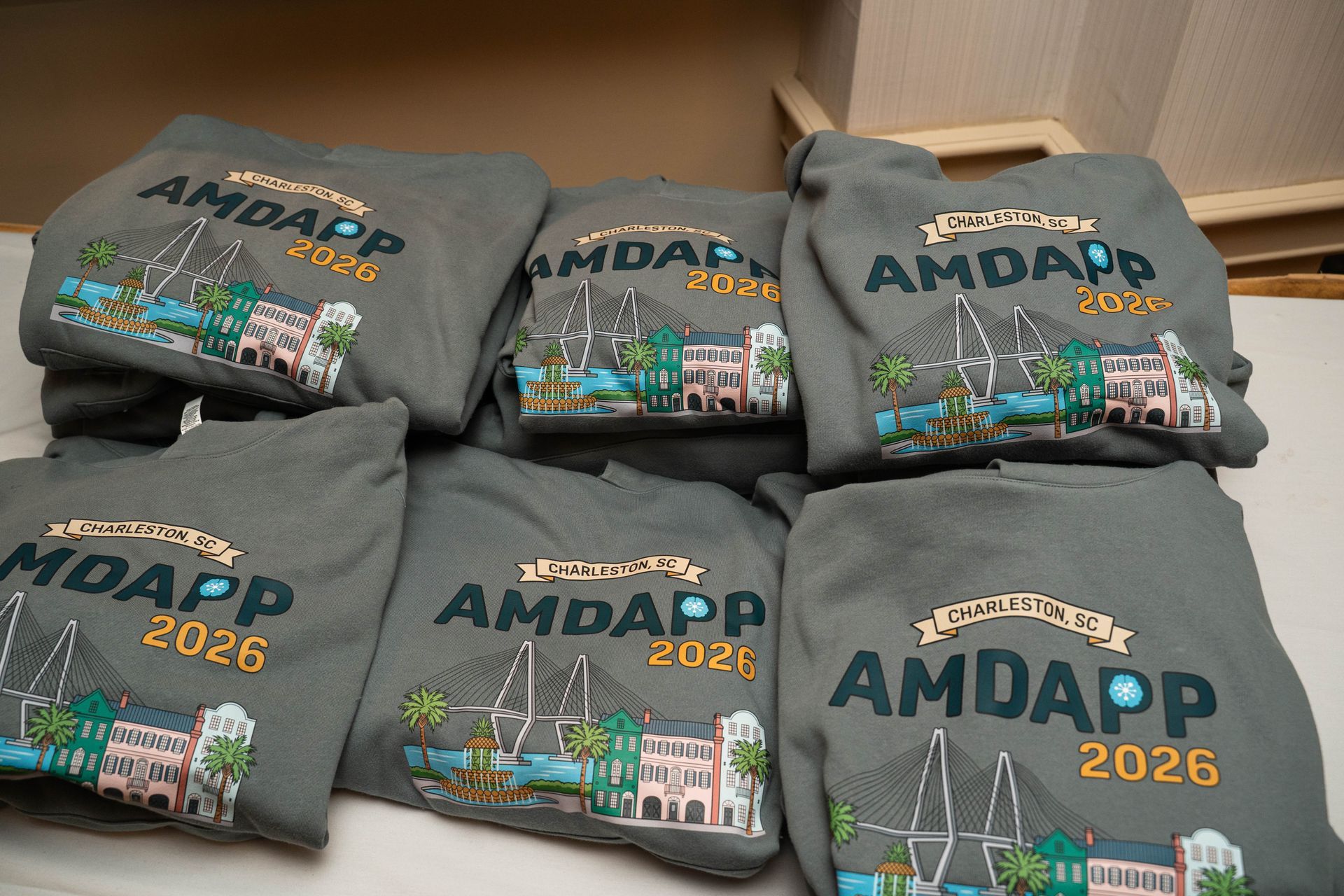
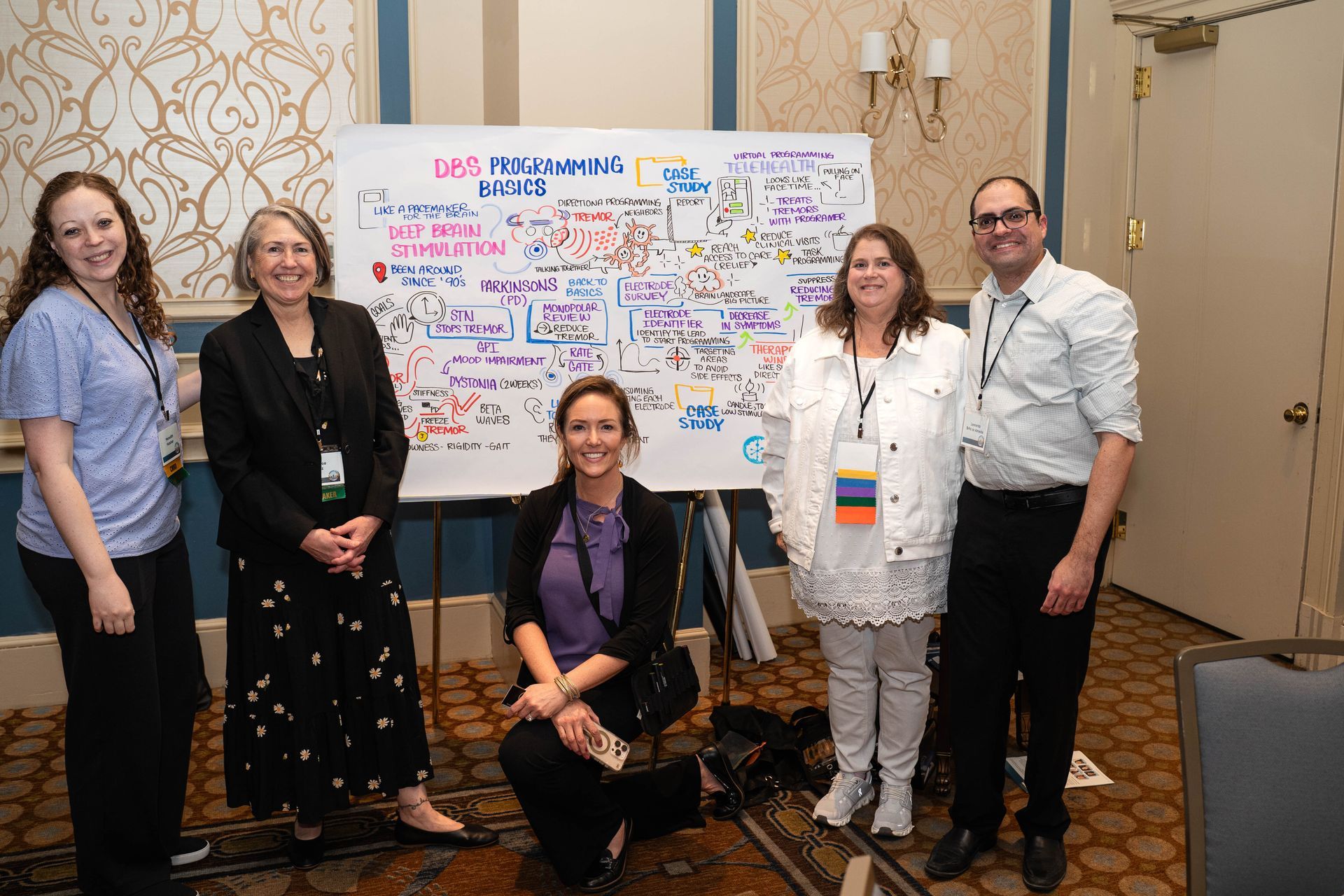
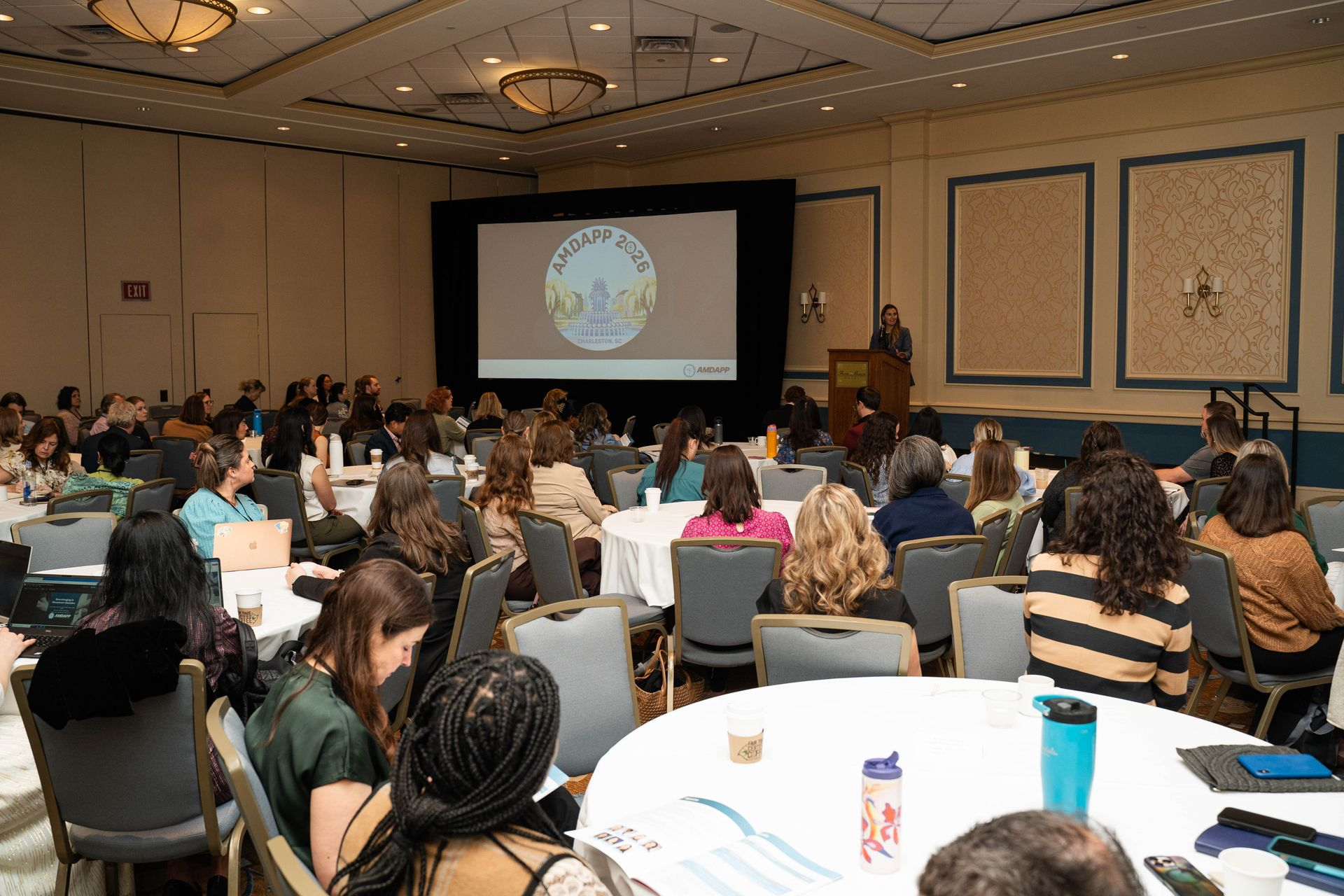
AMDAPP 2026 was truly an energizing, educational, and inspiring weekend for the Association of Movement Disorder Advanced Practice Providers (AMDAPP) community. From the very first session, there was a shared sense of excitement, being surrounded by APPs from across the country who are passionate about movement disorders and committed to delivering exceptional patient care. The CME programming once again delivered high-quality, insightful content that attendees can immediately bring back to their everyday clinical practice. Among the favorites this year were sessions on neuroimaging, neuroanatomy, atypical parkinsonism, and the always engaging video case presentations. The hands-on workshops for DBS and subcutaneous pump therapy were especially impactful, giving participants practical experience and renewed confidence in managing advanced therapies.


Beyond the outstanding education, what made AMDAPP 2026 so special was the connection. There was an unmistakable feeling of belonging—of being part of a vibrant, fun, and deeply supportive professional community. Conversations flowed easily between sessions as colleagues exchanged clinical pearls, shared challenges, and built new collaborations. For many, it was a reminder that while we may practice in different institutions across the country, we are united in purpose and passion.


The weekend also offered memorable opportunities to connect outside the lecture hall. The sunrise fun run brought early morning energy and camaraderie, while the haunted carriage ride through Charleston gave everyone a chance to unwind, laugh, and experience something unique together. These shared moments strengthened friendships and made the weekend even more meaningful.

AMDAPP 2026 did not disappoint. It recharged us, inspired us, and equipped us with knowledge we can use immediately in caring for our patients. Most importantly, it reinforced the strength of this growing community of advanced practice providers. Now, we’re already looking ahead with excitement—because if this year was any indication, AMDAPP 2027 in San Diego is going to be incredible.

By Erin Zinn February 3, 2026
Newsletter: February 2026
By Erin Zinn November 25, 2025
The U.S. Department of Education defines a professional degree program in its 2025 to 2026 regulatory framework as a program that “signifies both completion of the academic requirements for beginning practice in a given profession and a level of professional skill beyond that normally required for a bachelor’s degree; is generally at the doctoral level; requires at least six academic years of postsecondary education including at least two years at the post-baccalaureate level; and typically leads to licensure in a recognized profession.” The Association of Movement Disorder Advanced Practice Providers (AMDAPP) is concerned that, as applied in recent rulemaking, this definition may exclude several graduate-level programs that educate clinicians who are central to movement-disorders care. These include programs in advanced nursing and nurse practitioner education, physician assistant education, physical therapy, occupational therapy, speech-language pathology, audiology, public health and counseling and social work. These professions require advanced education, national certification, state licensure and clinical expertise that align closely with the criteria outlined in the Department’s definition. Movement-disorders care relies on a multidisciplinary team with specialized training. Every one of the professions listed above contributes significantly to evaluating symptoms, managing treatment plans, providing rehabilitation therapies, supporting communication and swallowing and addressing cognitive, emotional and social needs. For individuals living with Parkinson’s disease and related conditions, these services are essential to maintaining safety, independence and quality of life.  If these graduate programs are not recognized as professional degree programs, students may face reduced access to federal financial aid. This may contribute to workforce shortages in areas of care where patient demand is already increasing. Longer wait times, fewer available specialists and limited access to comprehensive services are all potential consequences for patients and clinics across the country, at a time when movement-disorders care is already marked by a significant shortage of trained clinicians and growing challenges in timely access to care. AMDAPP respectfully requests continued discussion and clarification around the Department’s classification of professional degree programs to ensure that it accurately reflects the training, licensure requirements and responsibilities of these essential healthcare professions. We encourage clinicians, educators, students and patient advocates to stay informed, to share information about how these changes may affect patient access and training and to communicate their concerns with their members of Congress so that the full impact on the movement-disorders community is understood.
By Erin Zinn October 28, 2025
Newsletter: October 2025

RECENT ARTICLES