AMDAPP at MDS

Erin Zinn • October 28, 2025

AMDAPP at the International Parkinson and Movement Disorder Society Congress — A Success in Hawaii!

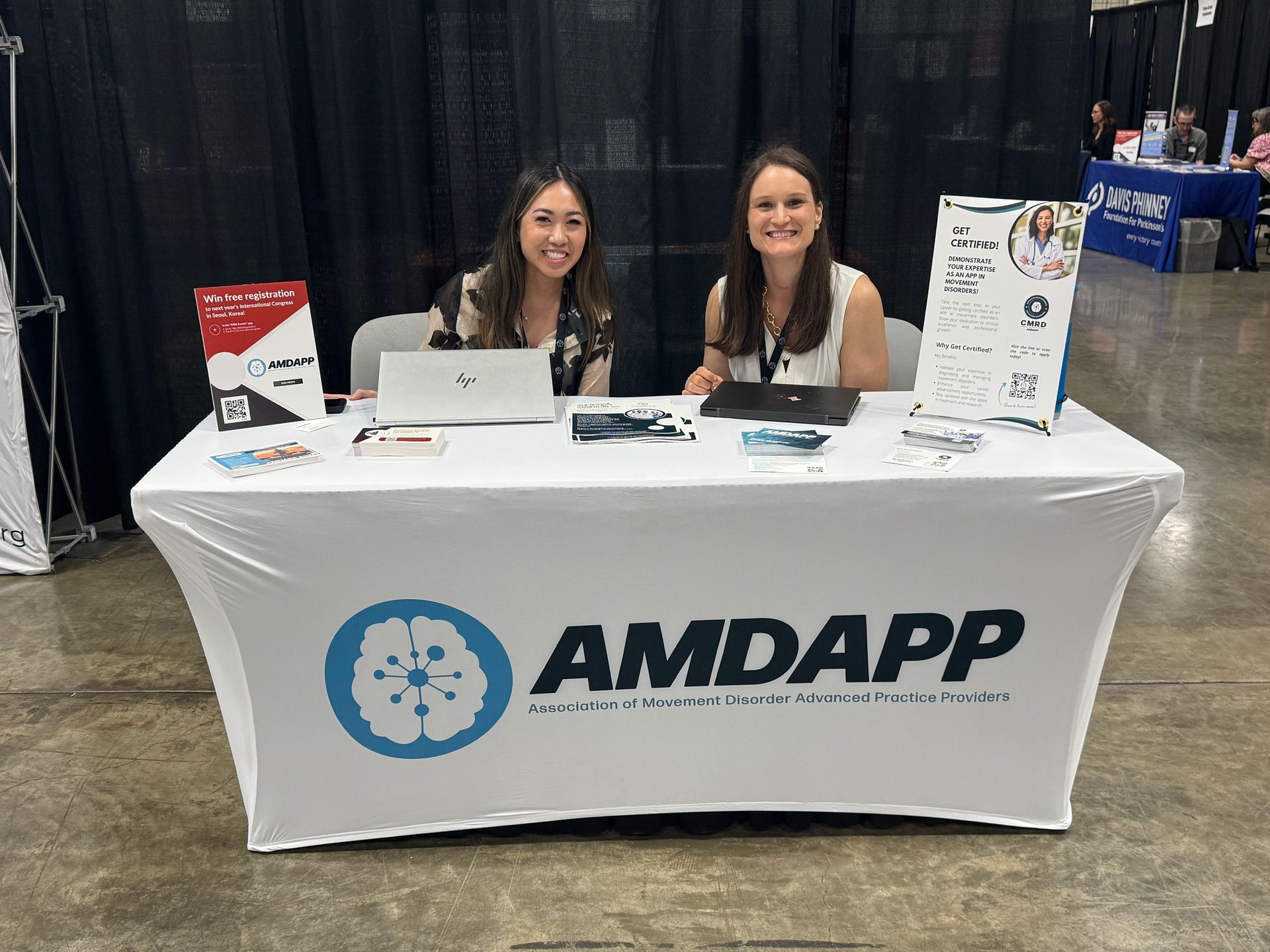
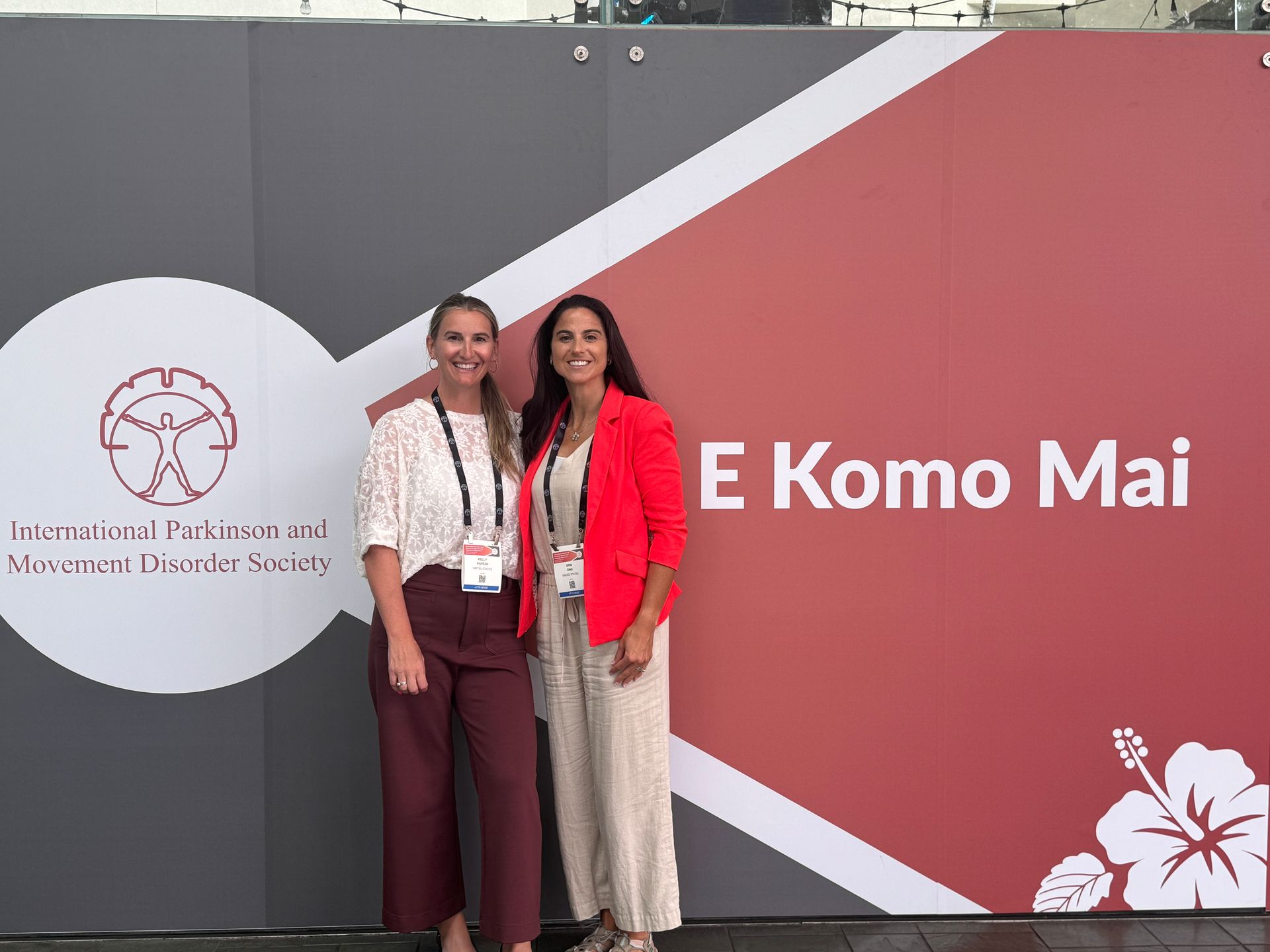
AMDAPP was thrilled to attend the International Parkinson and Movement Disorder Society (MDS) Congress in beautiful Hawaii! The event was an incredible success, bringing together APPs, fellows, residents, and professionals from across the globe to share knowledge, research, and experiences in movement disorders.


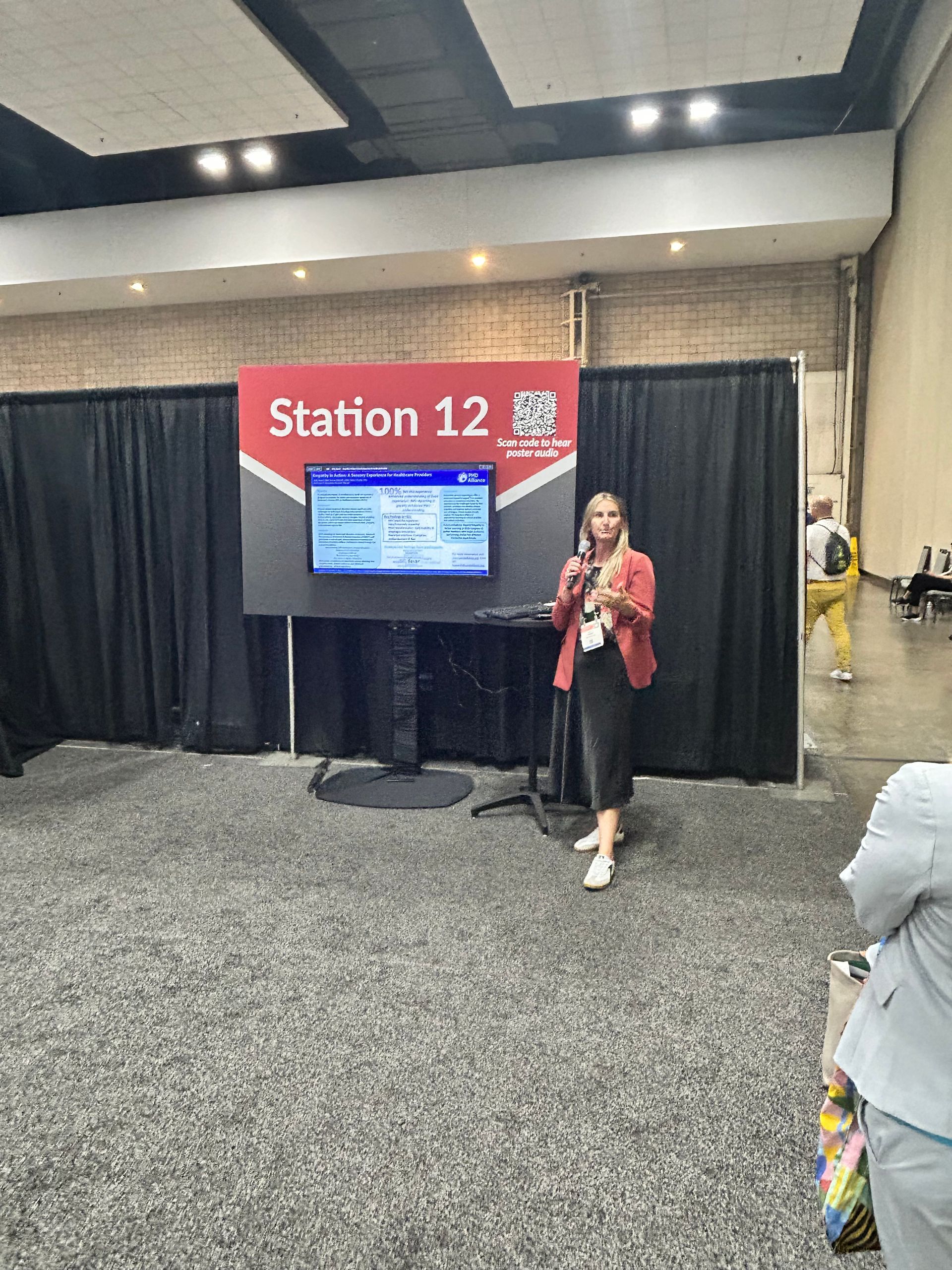
Many of our AMDAPP Advanced Practice Providers attended the Congress and engaged with excellent content covering the latest updates in movement disorder care and research. We’re especially proud of our APPs who presented their posters during the live poster sessions—an inspiring showcase of dedication and expertise in advancing the field.


Beyond the sessions, the Congress provided wonderful opportunities for international networking and collaboration. AMDAPP was honored to host the Sunset Cruise, an evening event that fostered meaningful conversations and new connections among APPs, MDS colleagues, fellows, residents, and partners in the nonprofit movement disorder community. It was a true celebration of our shared commitment to patient care and professional growth.


We also hosted our Corporate Roundtable Meeting with industry partners, where we discussed new ideas and collaborations. Our partners expressed great enthusiasm about partnering with AMDAPP on innovative digital initiatives aimed at supporting APP education, community engagement, and patient care in movement disorders. Exciting opportunities are ahead!


Mahalo to everyone who joined us in Hawaii! This Congress was not only a success but a reminder of the strength and passion within our AMDAPP community!


By Erin Zinn November 25, 2025
The U.S. Department of Education defines a professional degree program in its 2025 to 2026 regulatory framework as a program that “signifies both completion of the academic requirements for beginning practice in a given profession and a level of professional skill beyond that normally required for a bachelor’s degree; is generally at the doctoral level; requires at least six academic years of postsecondary education including at least two years at the post-baccalaureate level; and typically leads to licensure in a recognized profession.” The Association of Movement Disorder Advanced Practice Providers (AMDAPP) is concerned that, as applied in recent rulemaking, this definition may exclude several graduate-level programs that educate clinicians who are central to movement-disorders care. These include programs in advanced nursing and nurse practitioner education, physician assistant education, physical therapy, occupational therapy, speech-language pathology, audiology, public health and counseling and social work. These professions require advanced education, national certification, state licensure and clinical expertise that align closely with the criteria outlined in the Department’s definition. Movement-disorders care relies on a multidisciplinary team with specialized training. Every one of the professions listed above contributes significantly to evaluating symptoms, managing treatment plans, providing rehabilitation therapies, supporting communication and swallowing and addressing cognitive, emotional and social needs. For individuals living with Parkinson’s disease and related conditions, these services are essential to maintaining safety, independence and quality of life.  If these graduate programs are not recognized as professional degree programs, students may face reduced access to federal financial aid. This may contribute to workforce shortages in areas of care where patient demand is already increasing. Longer wait times, fewer available specialists and limited access to comprehensive services are all potential consequences for patients and clinics across the country, at a time when movement-disorders care is already marked by a significant shortage of trained clinicians and growing challenges in timely access to care. AMDAPP respectfully requests continued discussion and clarification around the Department’s classification of professional degree programs to ensure that it accurately reflects the training, licensure requirements and responsibilities of these essential healthcare professions. We encourage clinicians, educators, students and patient advocates to stay informed, to share information about how these changes may affect patient access and training and to communicate their concerns with their members of Congress so that the full impact on the movement-disorders community is understood.
By Erin Zinn October 28, 2025
Newsletter: October 2025
By Erin Zinn October 23, 2025
Newsletter - September 2025

RECENT ARTICLES